
Gambling and its cultural significance Exploring traditions and beliefs across the globe
The Historical Roots of Gambling
Gambling has deep historical roots, with evidence of betting practices dating back to ancient civilizations. The earliest records come from the Chinese, where rudimentary gambling games were played as early as 2000 BC. As players look into various platforms, they can find fast withdrawal casinos that provide instant access to winnings. Archaeological findings show that dice made from bones were used in games of chance, reflecting the human fascination with luck and fate. This ancient pastime served not only as entertainment but also as a means for social interaction and community bonding.
As societies evolved, so did the forms and methods of gambling. In ancient Rome, games of chance were often associated with festivals and public events, fostering a culture where gambling was woven into the social fabric. This association continued through the Middle Ages in Europe, where betting on jousts and tournaments became popular. Each historical phase added layers of cultural significance to gambling, making it a reflection of societal values and customs.
Today, the legacy of these ancient practices can be seen worldwide, with various forms of gambling adopted by diverse cultures. From the lotteries of ancient Mesopotamia to the modern casinos of Las Vegas, gambling’s evolution showcases humanity’s enduring quest for excitement and risk. This historical context underlines the importance of gambling as not merely a recreational activity but a phenomenon embedded in human history.
Cultural Perspectives on Gambling
The perspective on gambling varies significantly across different cultures. In some societies, gambling is celebrated and seen as a rite of passage, while in others, it is viewed with suspicion or outright condemnation. For example, in many Asian cultures, gambling is deeply intertwined with spirituality and tradition. Festivals often include games of chance, reinforcing community ties and honoring deities associated with fortune.
Conversely, in some Western cultures, especially within certain religious communities, gambling is often stigmatized. The Protestant ethic, which emphasizes hard work and self-discipline, frequently clashes with the idea of gambling as a path to wealth. This duality showcases the complex relationship societies have with gambling, where it can be both a source of joy and a trigger for moral concern.
Furthermore, this cultural dichotomy affects legislation and regulation around gambling. Countries such as Singapore and Macau embrace gambling as a significant economic driver, whereas others maintain stringent laws limiting its practice. This interplay between culture and legislation highlights gambling’s multifaceted role in shaping identities and economies around the globe.
Gambling and Social Dynamics
Gambling serves as more than just a means to win money; it acts as a social tool that can either unite or divide communities. Many people gather in casinos, betting shops, or homes to share in the thrill of gambling, forming bonds over shared experiences. Social gambling can be seen in poker nights or betting pools, where the enjoyment comes from the collective anticipation rather than solely the financial stakes involved.
However, gambling can also lead to social issues, including addiction and financial strain. The risk of gambling addiction can disrupt family dynamics and personal relationships, leading to isolation and despair for some individuals. This darker side of gambling is often overlooked in discussions celebrating its social aspects, emphasizing the importance of responsible gambling practices and awareness.
Efforts to combat these negative impacts have led to various support systems, educational campaigns, and responsible gambling initiatives. Many countries are now investing in programs that highlight the importance of moderation and provide resources for those affected by gambling-related issues. This duality of gambling as both a bonding activity and a potential source of harm illustrates its complex role within social structures.
Modern Trends in Gambling
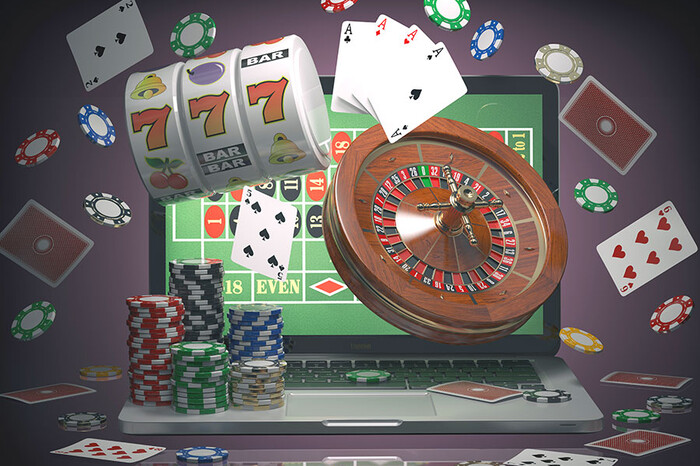
The landscape of gambling is continually evolving, influenced by technology and changing societal norms. The rise of online gambling has transformed how people engage with games of chance, making them accessible from the comfort of home. This shift has not only broadened the audience but also sparked discussions around regulation, safety, and fairness in the digital realm.
Moreover, the integration of live dealer games and virtual reality experiences has further enhanced the interactive nature of online gambling. These innovations allow players to engage in a more authentic casino environment, creating an immersive experience that mirrors traditional gambling while appealing to a tech-savvy generation. As gambling continues to adapt to modern technologies, its cultural significance evolves, appealing to new demographics and reshaping traditional beliefs.
The increasing acceptance of gambling in mainstream culture is also notable. Major sporting events now frequently incorporate betting, normalizing the practice in a way previously unseen. This shift reflects changing attitudes, suggesting a future where gambling becomes even more ingrained in social and cultural practices worldwide, merging tradition with innovation.

Conclusion and Cultural Reflections
The exploration of gambling across various cultures reveals its profound significance in shaping social interactions, historical narratives, and modern economies. From ancient rituals to contemporary practices, gambling serves as a mirror reflecting societal values and beliefs. Understanding this multifaceted nature of gambling enriches our appreciation of its role in cultures worldwide.
As we move forward, it is essential to recognize both the positive aspects of gambling as a source of entertainment and community, as well as its potential pitfalls. Responsible gambling practices must be emphasized to mitigate the risks associated with addiction and financial distress. Balancing enjoyment with awareness is key in fostering a healthy relationship with gambling.