
The Intriguing Psychology Behind Gambling Thrills
The Allure of Uncertainty
The element of uncertainty plays a central role in the thrilling nature of gambling. When players engage in games of chance, they are often met with the unpredictable outcomes that ignite excitement and hope. This unpredictability taps into the human psyche, sparking adrenaline spikes and an invigorating sense of anticipation. People are naturally drawn to situations where they can win big, even if the odds are stacked against them, largely because of the thrill those high-stakes moments provide.
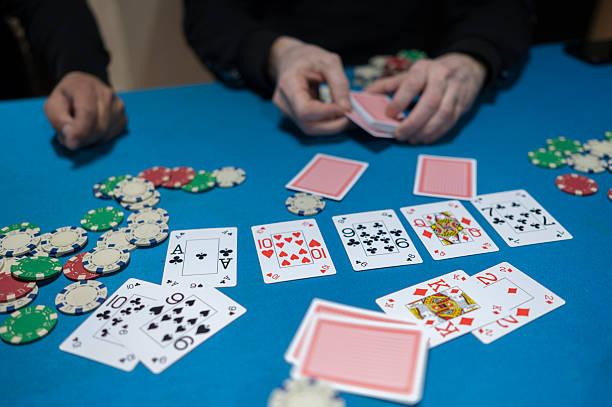
Additionally, neuroscience shows that the brain is wired to respond to gambling stimuli in unique ways. The dopamine neurotransmitter is released when an individual experiences pleasure or reward, and this is often heightened during moments of uncertainty. The brain treats the possibility of a jackpot or a significant win similarly to how it processes drugs or other highly rewarding stimuli. This biological response helps explain why many find it difficult to resist the allure of aviamastersgame.co.za, despite knowing the risks involved.
Social Dynamics and Group Behavior
Gambling is frequently a social endeavor, which adds an additional layer of excitement to the experience. When individuals gamble together—whether at a casino, a sports betting event, or online—the shared emotional highs and lows create a dynamic atmosphere that enhances the thrill. The engagement with fellow players fosters feelings of camaraderie and collective excitement, which can amplify individual experiences. This social component not only heightens the overall enjoyment but also reinforces decision-making that may lead to riskier bets.
The environment plays a significant role as well; casinos and gambling venues are designed to evoke a sense of celebration. With vibrant colors, enticing sounds, and a lively ambiance, these settings stimulate the senses and make players more inclined to take risks. The communal aspect of cheering for wins or commiserating over losses creates a unique psychological atmosphere where participants may feel emboldened to gamble more than they typically would in solitary settings.
Illusion of Control and Cognitive Biases
An intriguing aspect of gambling psychology is the illusion of control. Many gamblers believe they can influence game outcomes through their choices or strategies, despite the inherent randomness involved. This cognitive bias can lead to overconfidence, prompting players to make further bets with the expectation that they can change the odds in their favor. This phenomenon often leads to a cycle of increased gambling activity and, in some cases, problematic behaviors.
Additionally, cognitive biases such as the gambler’s fallacy—where individuals believe that previous outcomes will affect future bets—also contribute to gambling behavior. Players may think that after a long streak of losses, a win is ‘due’ or that they have special insights that give them an edge. Such distorted thinking influences decision-making processes and can lead to continued engagement in gambling activities, despite the reality of the odds.
Understanding Responsible Gambling
As the excitement of gambling becomes clear, it is equally essential to acknowledge the importance of responsible gambling practices. Understanding the psychology behind gambling can lead to greater awareness of one’s behaviors and decisions. Education on the risks associated with gambling is critical in creating a balanced approach, ensuring that individuals can enjoy the thrill without falling into destructive patterns.

For those who seek guidance or support regarding gambling behavior, many resources are available to help individuals develop healthy habits. Engaging with experts or joining community support groups can provide valuable insights and strategies for maintaining a responsible and enjoyable gambling experience. It is crucial to prioritize personal well-being and make informed choices when indulging in the psychological allure of gambling.